# Symptoms of Dengue Fever-
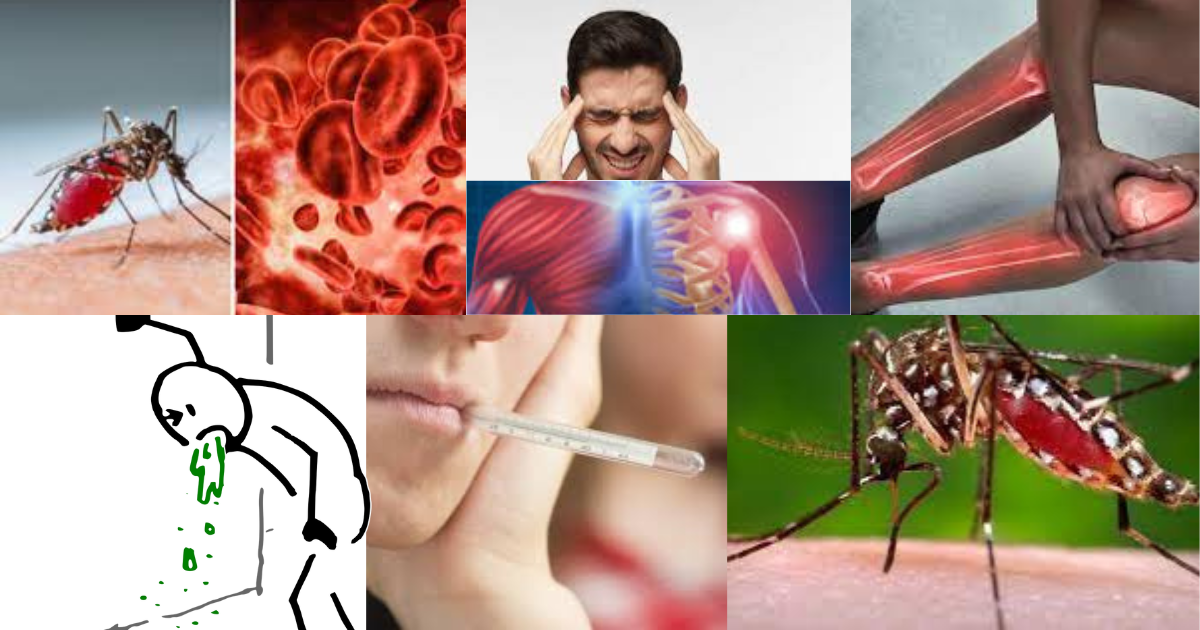
1.High Fever: Sudden onset of a high fever is one of the earliest and most common symptoms.
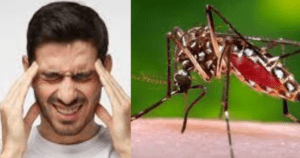
2.Severe Headache: Intense headaches, often described as a “bone-breaking” sensation.
3.Pain Behind the Eyes: Pain and discomfort in the eyes, especially when moving them.
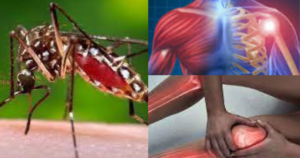
4.Joint and Muscle Pain: Severe joint and muscle pain, which is why dengue is sometimes referred to as “break-bone fever.”
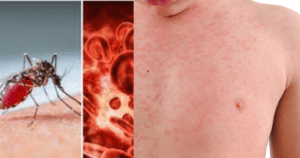
5.Rash: A rash may appear a few days after the fever starts. It is typically a bright red rash that can cover large areas of the body.6.Mild Bleeding: Some people may experience mild bleeding, such as nosebleeds, gum bleeding, or easy bruising.
* In some cases, dengue can develop into a more serious form called dengue hemorrhagic fever (DHF). DHF is characterized by bleeding, low blood pressure, and organ failure. It can be fatal, especially in children.
# Precautions to Prevent Dengue: Preventing dengue primarily involves reducing the risk of mosquito bites and controlling mosquito populations in the area. Here are some precautions:
-
Use Mosquito Repellent: Apply an effective mosquito repellent on exposed skin and clothing.
-
Wear Protective Clothing: Wear long-sleeved shirts, long pants, socks, and shoes to minimize skin exposure.
-
Use Bed Nets: Sleep under mosquito nets, especially if you’re in an area with a high dengue risk.
-
Eliminate Mosquito Breeding Sites: Regularly empty, cover, or treat containers that can collect and hold water, as stagnant water is where mosquitoes breed. This includes flower pots, buckets, and open water tanks.
-
Keep Windows and Doors Screened: Use screens on windows and doors to prevent mosquitoes from entering your home.
-
Avoid Peak Mosquito Activity: Mosquitoes that transmit dengue are most active during early morning and late afternoon, so take extra precautions during these times.
-
Community Efforts: Participate in community-wide mosquito control efforts, such as cleaning up trash and debris that can collect water or supporting local vector control programs.
-
There is a vaccine available for dengue, but it is not yet widely available. The best way to prevent dengue fever is to avoid mosquito bites. Here are some tips for preventing mosquito bites:
-
Use insect repellent that contains DEET, picaridin, or IR3535.
-
Stay in air-conditioned or well-screened areas.
-
Drain standing water around your home.
If you are traveling to an area where dengue is common, talk to your doctor about getting vaccinated. You should also take steps to avoid mosquito bites while you are traveling.
Here are some additional precautions that you can take to prevent dengue fever:
-
If you are bitten by a mosquito, wash the bite area with soap and water.
-
Keep your nails trimmed short.
-
Avoid scratching mosquito bites.
-
If you are pregnant, talk to your doctor about the risks of dengue fever.
# Difference between Viral fever and Dengue fever-
1- In Viral fever there is no high grade fever, but in Dengue fever there is high grade fever .
2- In Viral fever there is no rash on the skin , but in Dengue fever there may be appear rash on the skin.
3- In blood test there is no effect on Platelet count in Viral fever , but in Dengue fever there is decrease of platelet count in blood.
# Naturopathy Treatment –
-
Drink plenty of water and take sufficient sleep .
-
Eat Easy to digest foods like green vegetables , apples , bananas, soups, cereal, and herbal tea.
-
Eat Vitamin C-rich foods, such as amla, papaya, and orange juice, boost antibodies that speed up healing and recovery, acting as a natural treatment for dengue fever.
-
Increase immune power by doing Yoga daily to prevent diseases.
# Conclusion –It’s important to seek medical attention if you suspect you have dengue, especially if you develop severe symptoms, as severe dengue can be life-threatening. Dengue does not have a specific antiviral treatment, so supportive care is essential. Adequate hydration and rest are crucial during recovery.
# FAQ
1- What is Dengue fever ?
2- What are Causes of Dengue fever ?
3- What are Symptoms of Dengue Fever ?
4- What are Precautions to prevent from Dengue Fever ?
5- What is Naturopathy treatment for Dengue Fever ?
6- What is the difference between Viral fever and Dengue fever?