# Meaning –
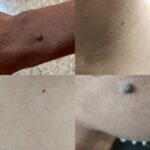
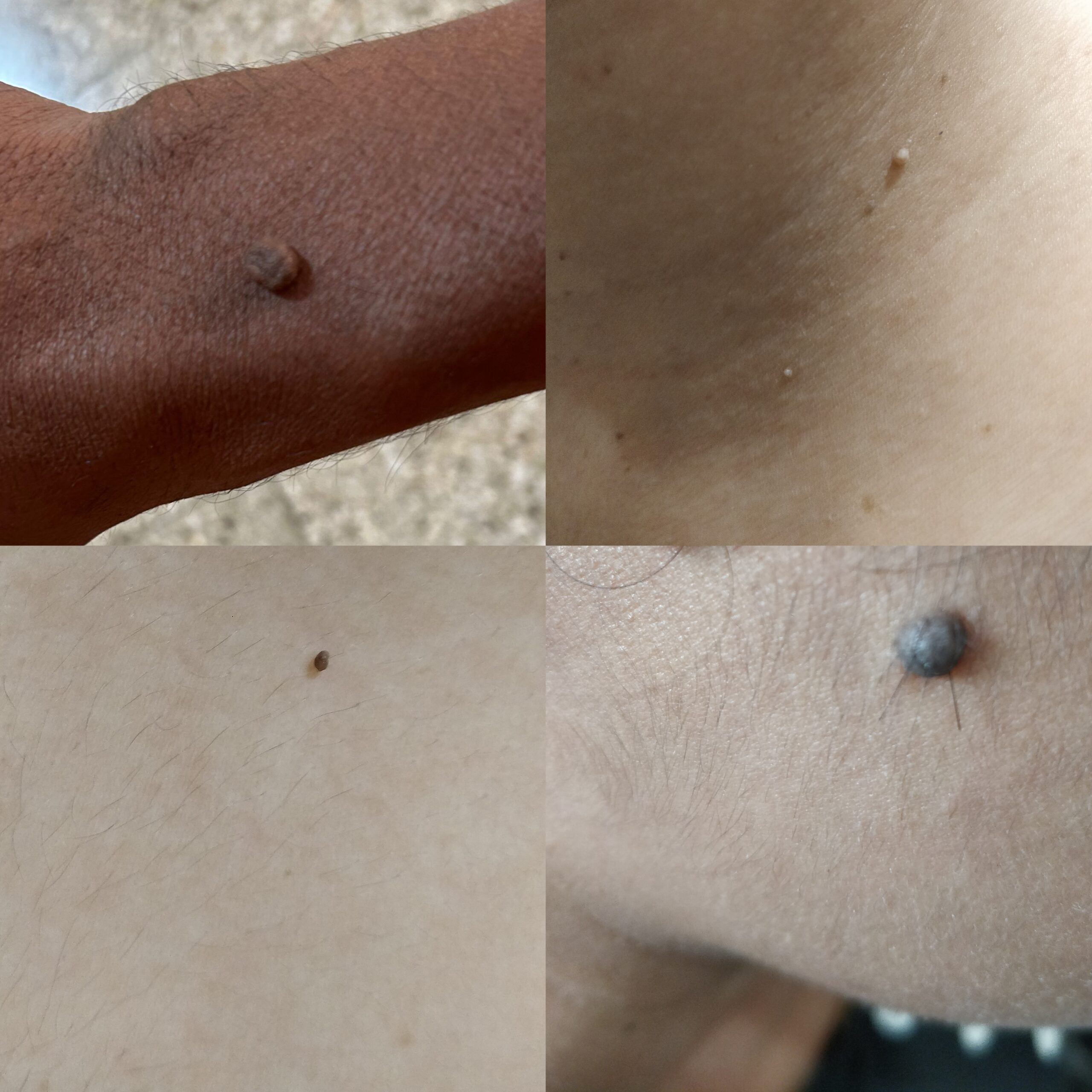
Warts are small, non-cancerous growths on the skin that are caused by the human papillomavirus (HPV). They are generally harmless but can be contagious and may spread through direct skin-to-skin contact. Warts often have a rough texture and can appear on various parts of the body, such as the hands, feet, face, or genital area. There are different types of warts, including common warts, plantar warts (on the soles of the feet), and genital warts. Treatment options range from over-the-counter medications to medical procedures, depending on the type and location of the wart. Now we will see What is Wart, causes, types, symptoms, precautions, diet and treatment for wart.
Read more…
# Causes:
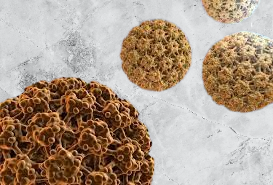
Warts are caused by various strains of the human papillomavirus (HPV). The virus enters your body through a break in the skin, and warts can develop weeks or months later. The risk of getting warts increases with cuts or scratches on the skin, weakened immune system, and close contact with a person who has warts.
# Types:
Certainly! There are several types of warts, each caused by different strains of the human papillomavirus (HPV). Here are some common types:
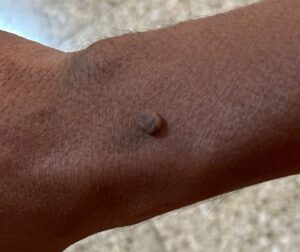
1 Common Warts (Verruca Vulgaris): These typically appear on the hands and fingers. They are raised, rough, and often have a cauliflower-like appearance.
2 Plantar Warts: Found on the soles of the feet, plantar warts can be painful due to pressure from walking. They may have black dots in the center, which are actually small blood vessels.
3 Flat Warts (Verruca Plana): These warts are smoother and flatter than other types and can appear on the face, arms, or legs. They are more common in children and adolescents.
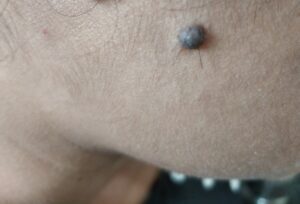
3 Filiform Warts: These long, narrow warts often appear around the mouth, eyes, or nose. They have a thread-like or finger-like projection.
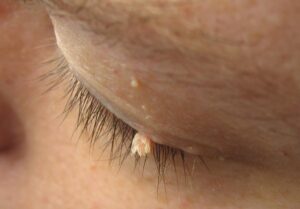
4 Genital Warts: Found on or around the genital and anal areas, these warts are sexually transmitted and are caused by specific strains of HPV. They can vary in size and appearance.
5 Periungual Warts: These warts develop around the nails and can affect both the fingernails and toenails. They may be more challenging to treat.
6 Mosaic Warts: Clustered plantar warts that grow closely together in a mosaic-like pattern on the soles of the feet.
It’s important to note that some warts may resolve on their own without treatment, while others may require medical intervention. Additionally, some types of warts, such as genital warts, may pose a higher risk of complications and should be addressed by a healthcare professional
# Symptoms:
The symptoms of warts depend on the type. Common warts often appear on the fingers and hands and have a rough, grainy texture. Plantar warts affect the soles of the feet and can be painful when walking. Genital warts, as the name suggests, appear on the genital and anal areas. They may be small or large, raised or flat, or shaped like cauliflower.
# Precautions:
-
Avoid direct contact with warts on others.
-
Keep your skin clean and dry to prevent breaks that could allow the virus to enter.
-
Don’t pick at warts to avoid spreading the virus to other parts of your body.
-
Do regular Yoga to increase your immune power.
# You may like this – https://youtube.com/shorts/nIJ_5xzpTIs?si=HrzR3eqBBIRssJOj
# Diet:
While there’s no specific diet to treat warts, maintaining a healthy immune system is essential. Include a variety of fruits, vegetables, and whole grains in your diet. Vitamin C, in particular, is known to support the immune system, so foods rich in vitamin C, like citrus fruits and berries, may be beneficial.
# Treatment:
-
Over-the-counter medications containing salicylic acid can be applied to the wart to gradually remove it.
-
Cryotherapy involves freezing the wart with liquid nitrogen, causing it to fall off.
-
Electrosurgery or laser treatment may be used for more stubborn or larger warts.
-
In some cases, prescription medications may be necessary.
Remember, it’s always a good idea to consult with a healthcare professional for an accurate diagnosis and appropriate treatment plan tailored to your specific situation.
# Conclusion-
Warts are common skin growths caused by various strains of the human papillomavirus (HPV). They can appear on different parts of the body, such as the hands, feet, face, or genital area, and come in various forms, including common warts, plantar warts, and genital warts. While warts are generally harmless, they can be bothersome and, in the case of genital warts, may pose a risk of complications. Prevention involves practicing good hygiene, avoiding direct contact with warts, and maintaining a healthy immune system.
# FAQ-
1 What is wart ?
2 What is cause of wart ?
3 What are the symptoms of wart ?
4 What are the symptoms of wart ?
5 What are the precautions for prevention from wart ?