# Exams –
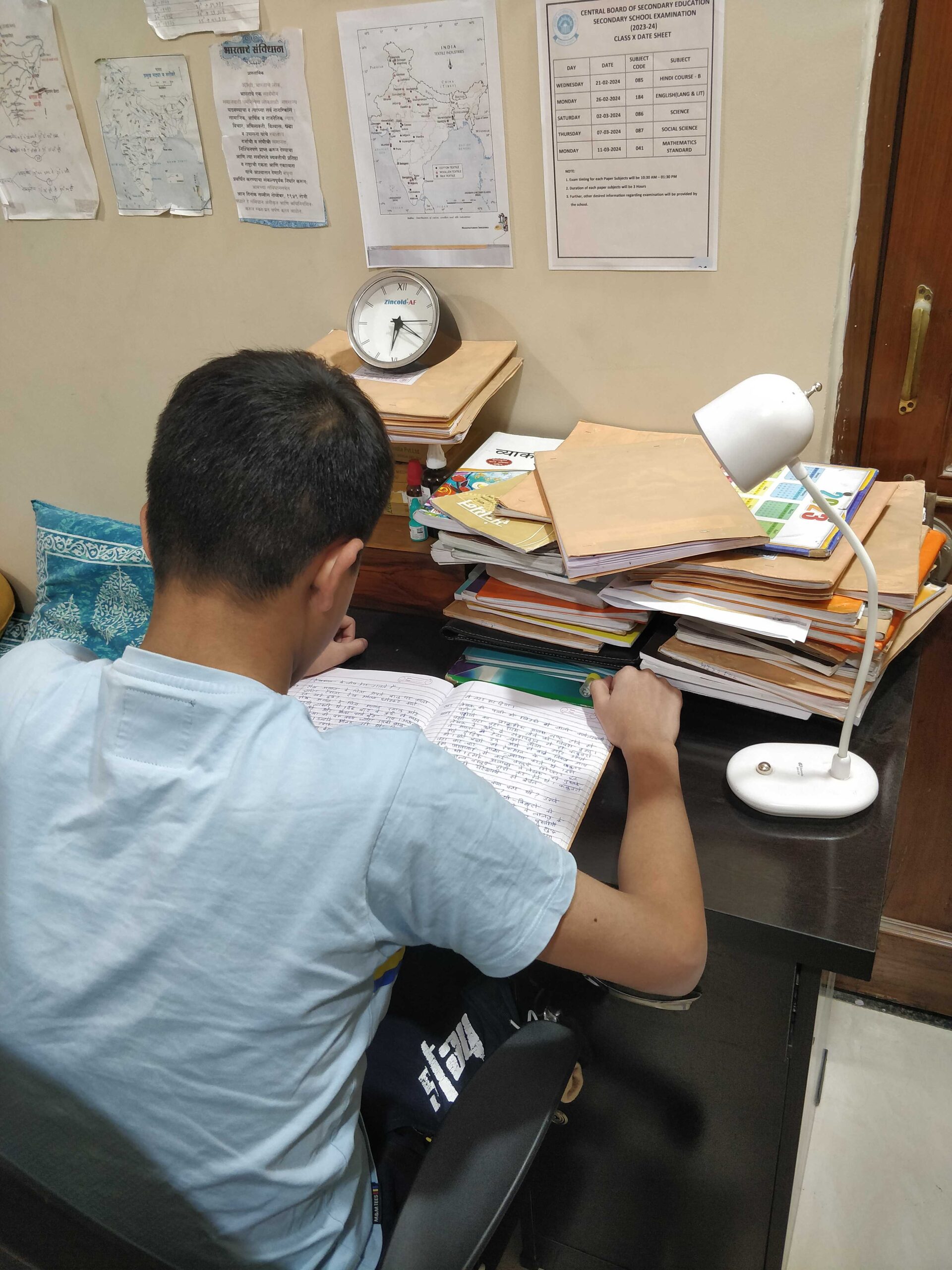
the mere mention of the word is enough to send shivers down the spine of many students. It’s that time of the year when stress levels soar, sleep becomes a luxury, and anxiety becomes a constant companion. But fear not! In this blog post, we’re going to explore practical strategies to help you transition from panic to peace Coping with Exam Stress as you navigate the challenging waters of exam season.
Read more…..
# Understanding Exam Stress –
First things first, let’s acknowledge that feeling stressed during exams is entirely normal. Exams represent a significant academic challenge, and it’s natural to feel some degree of pressure, that we can say moderate type of pressure and that is good and it is sign that you are caring about exam. However, when stress reaches overwhelming levels, it can hinder your performance and affect your well-being, that is we can say exam stress .
# Recognizing the Signs –
Before we delve into coping strategies, it’s essential to recognize the signs of exam stress. These may include:
-
Difficulty concentrating
-
Racing thoughts
-
Irritability
-
Sleep disturbances
-
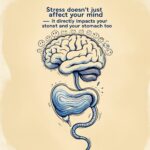
Physical symptoms like headaches or stomachaches
-
Excessive perspiration
-
Trembling
By identifying these signs early on, you can take proactive steps to manage your stress effectively.
# Coping Strategies –
1.Effective Time Management: One of the primary sources of exam stress is feeling overwhelmed by the amount of material to cover. Break your study sessions into manageable chunks and create a realistic study schedule. Prioritize tasks and allocate time for breaks to prevent burnout. Do qualitative studies and follow 50-10 strategy… 50 minutes study 10 minutes break.
2.Practice Relaxation Techniques: Incorporate relaxation techniques such as deep breathing, meditation, or progressive muscle relaxation into your daily routine. These practices can help calm your mind and reduce physical tension.
3.Stay Active: Regular physical activity is a powerful stress reliever. Even a short walk or a quick workout can boost your mood and increase your ability to concentrate. Make exercise a priority, even during busy study periods.
# You may like this :- https://youtu.be/44pSiQIB2_M?si=Hsp1sBAhYC1OulZ0
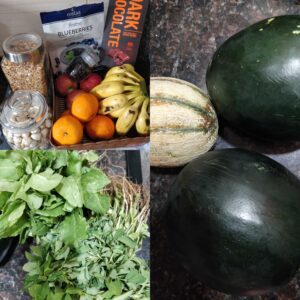
4. Maintain a Healthy Lifestyle: Fuel your body with nutritious foods, stay hydrated, and get enough sleep. Avoid excessive caffeine and sugar, as they can exacerbate feelings of anxiety and disrupt your sleep patterns.
5. Seek Support: Don’t hesitate to reach out for support from friends, family, or academic advisors. Talking about your feelings can provide relief and perspective. If you’re struggling with specific subjects, consider forming a study group to share knowledge and resources.
6.Practice Self-Compassion: Be kind to yourself during this challenging time. Remember that your worth is not determined by your exam results. Treat yourself with the same compassion and understanding that you would offer to a friend facing similar challenges.
7.Visualize Success: Take a few moments each day to visualize yourself succeeding in your exams. Picture yourself feeling calm, confident, and prepared. Visualization can help alleviate anxiety and boost your confidence levels.
# Conclusion –
While exams may seem daunting, remember that they are temporary challenges that you can overcome with the right mindset and strategies. By implementing these coping strategies and prioritizing your well-being, you can transform panic into peace and approach your exams with confidence and resilience.
So take a deep breath, believe in yourself, and remember that you’re capable of achieving great things, both inside and outside the exam hall. Good luck!
# FAQ –
1 What is exam stress ?
2 What are the recognizing signs for exam stress ?
3 What is the strategy for coping with exam stress ?